
CRM vs ERP: when you need one, when you need the other
Facts checked: 2026-11-01
"Do we need a CRM or an ERP?" is a common question that rarely gets a clear answer, since both terms get used loosely. This article explains the actual difference, when a CRM alone is enough, when you genuinely need a full ERP, and where a system like DSOLVER CRM sits between the two.
What a CRM is
A CRM (Customer Relationship Management) system is built around the customer and the sales process: contacts, deals, quotes, communication history, tasks. A classic CRM (e.g. Pipedrive, HubSpot's base tier) doesn't manage warehouse, manufacturing or accounting — those need separate tools or integrations.
What an ERP is
An ERP (Enterprise Resource Planning) system is broader, covering a company's entire resource management: finance and accounting, warehouse and logistics, sometimes manufacturing, HR, procurement. Classic ERPs (SAP, Microsoft Dynamics and similar) are powerful but roll out over months, often years, at a corresponding cost.
Where DSOLVER CRM sits between the two
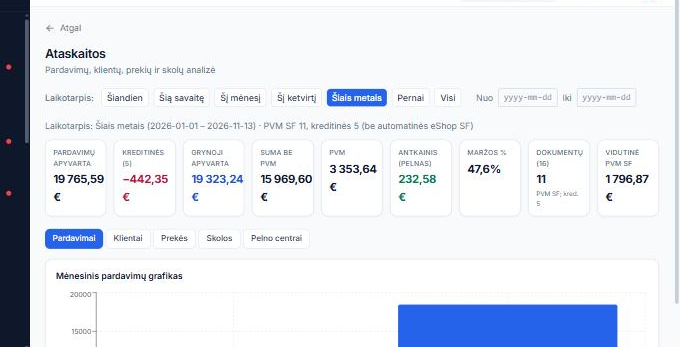
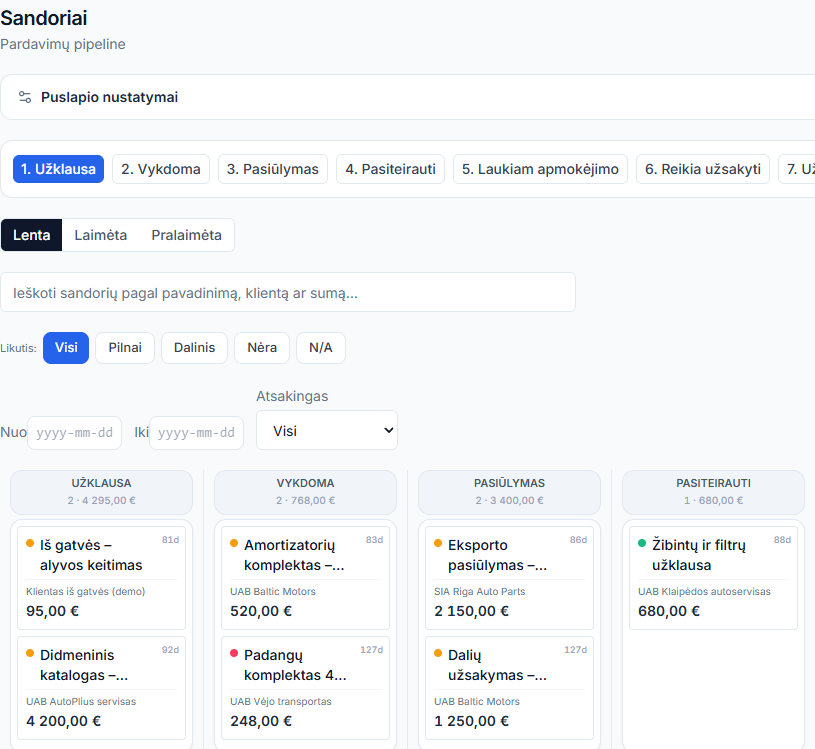
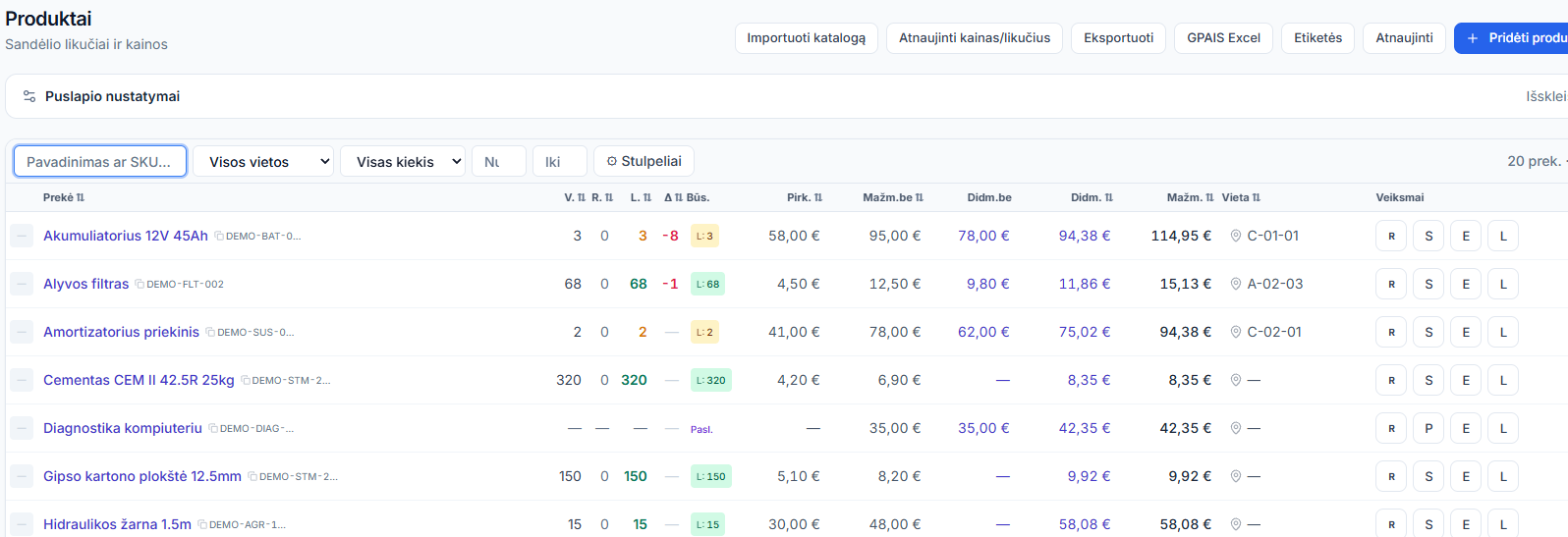
DSOLVER CRM isn't a full ERP — it has no manufacturing planning (MRP), HR management, or general-ledger accounting the way SAP or similar systems do. It's a CRM that also covers the areas that usually push a trading or service company to start looking at ERP:
- Real-time warehouse management (reservation, mobile scanning, multiple warehouses) — the same database as the CRM, not a bolted-on module
- VAT invoicing, payment tracking and bank reconciliation — the core accounting work needed day to day
- Service/repair management, for companies with technical service work
- A B2B partner portal with individual pricing and real-time stock
- Integrations with accounting software (Debetas, Rivilė) for full bookkeeping, which stays in that system, not migrated into DSOLVER
When a plain CRM is enough
If a business sells services or digital products with no physical warehouse, and the core need is managing deals, contacts and a sales pipeline, a plain CRM with no warehouse or service module is likely the cheaper, faster-to-launch choice.
When you need a CRM with warehouse, service and B2B (like DSOLVER)
This middle-ground solution makes sense once a business:
- Trades physical goods and has a genuine need for warehouse stock management
- Provides service/repair work alongside sales
- Has B2B partners who need self-service access to prices and stock
- Wants one tool from sale to invoice, without manually re-entering data across systems
- Doesn't have the budget or time for a months-long classic ERP rollout, but feels a plain CRM is no longer enough
When you genuinely need a full ERP
If a company needs manufacturing planning (MRP), a complex multi-stage procurement/supply chain, a full HR/payroll system, or multi-currency consolidated accounting across multiple legal entities — that's classic ERP territory, which DSOLVER CRM doesn't replace and doesn't claim to.
A quick test: CRM, a DSOLVER-type system, or a full ERP
Ask yourself these questions:
- □Do you have a physical warehouse with a genuine stock-management need? If not, a CRM is enough.
- □Do you need manufacturing planning or a complex supply chain? If so, you need a full ERP.
- □Do you have B2B partners who need self-service access? That often signals a middle-ground solution.
- □Can you dedicate several months and a large budget to rollout? If not, a classic ERP likely won't fit your time/budget.
- □Do you need HR/payroll management in the same system? That's a full-ERP function, not a CRM one.
Frequently asked questions
Is DSOLVER CRM an ERP system?
Not in the full sense — it has no manufacturing planning, HR management or consolidated multi-currency accounting the way classic ERPs (SAP, Dynamics) do. It's a CRM covering warehouse, service, invoicing and a B2B portal in one system.
Can we move from a plain CRM to DSOLVER CRM later?
Yes, during rollout we help migrate existing customers, deals and data from your previous CRM or Excel.
How long does DSOLVER CRM take to roll out compared to a classic ERP?
A typical project takes from a few days to a few weeks, depending on data and integrations — a classic ERP rollout usually takes months.
Does DSOLVER CRM handle full bookkeeping?
No, DSOLVER CRM issues VAT invoices, tracks payments and reconciles bank statements, but full bookkeeping (balance sheet, VAT filings, etc.) stays in your accounting software (Debetas, Rivilė and others), which we integrate with.
Is DSOLVER CRM suitable for a manufacturing company?
If you need manufacturing planning (MRP) or complex production process management, DSOLVER CRM doesn't cover that — that's classic ERP territory.
Related pages
Not sure which solution fits your business?
In a short call we'll discuss your processes and tell you honestly whether DSOLVER CRM fits, or whether you need something else.