
CRM system for building materials and plumbing/electrical supply trade
Facts checked: 2026-11-12
A contractor calls at 4:30pm on a Friday -- he needs 40 bags of cement and 150 m² of plasterboard, delivered to the site by 8am tomorrow. The warehouse clerk checks a spreadsheet last updated yesterday evening and answers "should be enough." In building materials and plumbing/electrical supply trade, that call isn't the exception -- it's Tuesday, Wednesday and Thursday. One SKU lives in several units of measure at once, a contractor and a walk-in customer pay completely different prices for the same product, and spring turnover rises so fast that stock updated once a day simply can't keep up. This page explains how DSOLVER CRM lets you answer that call with a number, not a guess.
Why a generic retail system starts getting in the way fast
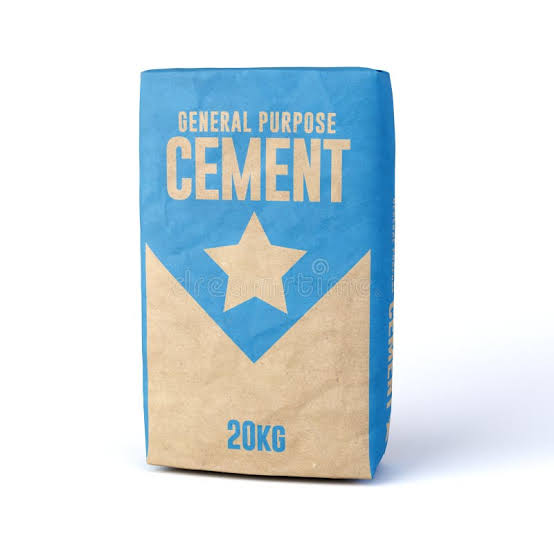
One product, several units at once. A plasterboard sheet is priced per piece, invoiced in square meters, and easier to track in the warehouse by pallet. Mineral wool is sold in packs but needs to be checked against a project estimate in cubic meters. If the system only speaks "units," someone converts by hand every time -- and sooner or later, a hand conversion goes wrong.
Two customers at the same counter, two completely different deals. A private customer walks in with cash for one bag of cement to patch a garage wall. A contractor you've worked with for three years orders 40 tonnes the same week, with a 12% discount and 30 days to pay. Both need to go through the same till, but get a completely different price, terms and document -- without the seller having to remember who gets what.
The season doesn't ask if you're ready. In March-April, order volume doubles within two weeks, and some lines (cement, insulation, waterproofing membranes) sell out within days. If stock is only visible after a count or a once-a-day manual update, every other week ends with a promised quantity that no longer exists -- and an apologetic phone call.
Delivery isn’t "a parcel locker drop-off." Building materials usually go straight to the site, not a home address -- that means bigger vehicles, a specific time window (a crew is on site waiting for exactly this load), and sometimes unloading equipment. It’s a different kind of logistics than an ordinary webshop order, and it needs its own plan, not "business as usual."
What DSOLVER CRM actually does
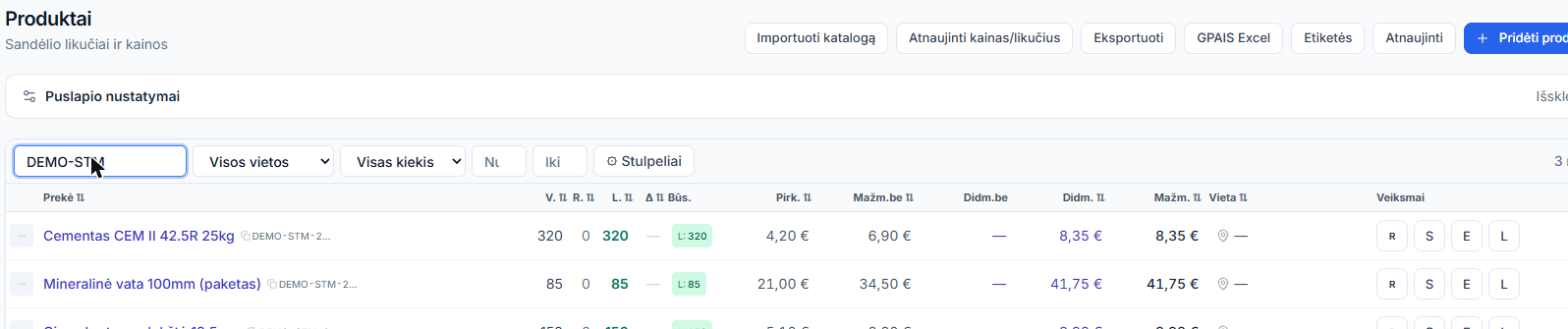
Every product carries its own base unit of measure (pcs, m, m², t, pallet), with stock updated in real time on receipt or sale -- including large, seasonal quantities. No separate spreadsheet to work out "how many pallets is that."
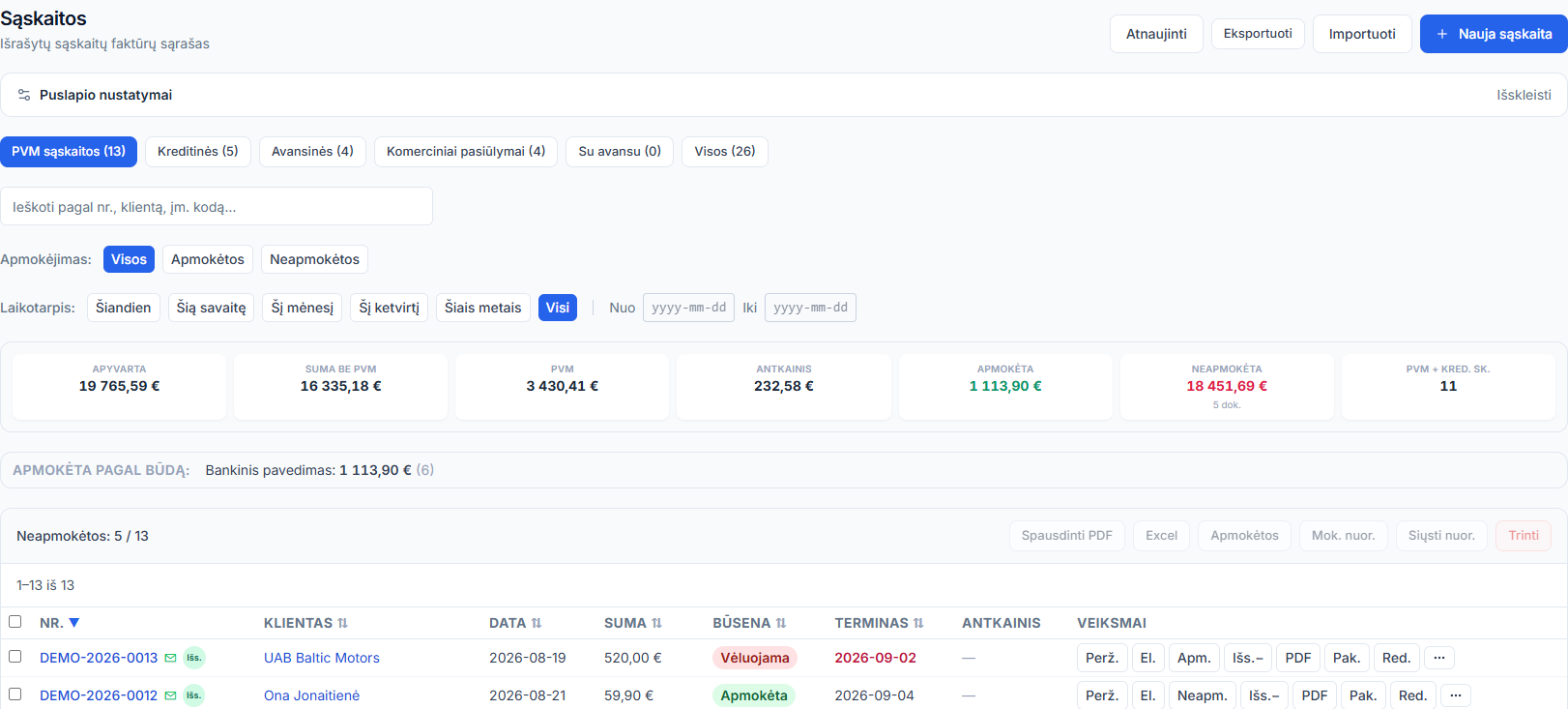
A regular contractor or construction company gets individual pricing, a discount schedule and a credit limit set up once -- the system applies them automatically to every new order from then on, visible through the B2B self-service portal so the partner sees their own price and stock without calling your team.
A 30-line supplier invoice is imported from PDF and automatically matched to the product catalog in a couple of minutes -- not the hour of manual entry you can least afford during the seasonal peak.
Receiving a delivery, you can flag a shortage, an overage or a defect against a specific item right away -- the discrepancy stays attached to that purchase invoice, not on a separate note or in someone's memory until they remember to complain to the supplier.
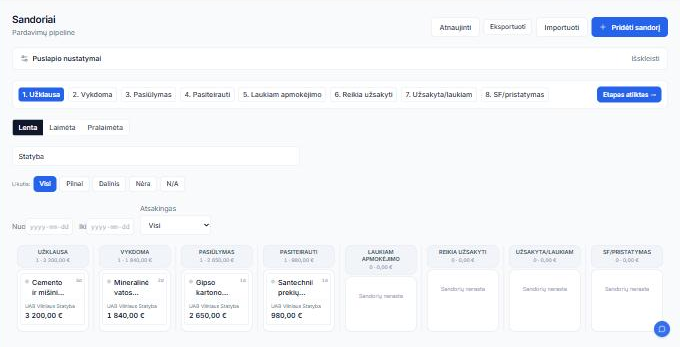
Site delivery is planned as its own stream, separate from ordinary warehouse pickup -- the driver, the warehouse clerk and the sales rep all see the same route and the same time window, with no follow-up call asking "so when exactly are you dropping this off."
What this actually changes day to day
- A contractor’s stock question gets answered in 10 seconds, not after a 10-minute spreadsheet search
- Every order -- a B2B partner’s or a walk-in customer’s at the counter -- reserves the item the same second, in real time, so nobody else can buy the same quantity that’s already been claimed
- Price and payment terms are set once per client -- nobody has to remember or re-check them on every new order
- You stop selling stock that’s already gone during the seasonal peak -- the number updates immediately, not the next morning after a count
- Supplier invoices get entered in minutes, not hours, without the errors that creep in from retyping by hand
- When a contractor comes back after six months, their full purchase history is visible in seconds -- no need to ask what they bought last time or at what price
- Site delivery and warehouse pickup are planned as two separate flows, not one "we’ll figure it out" process
- Need a new field, report or workflow change to match your own assortment or supplier list? Changes happen in days, not months, the way they would on a classic system
Who this is for
- Building materials wholesalers and retailers
- Plumbing and electrical supply retailers
- Businesses serving both private customers and construction contractors
Is this relevant to you: a quick test
If you answer "yes" to at least two of these, a specialized warehouse+CRM system is worth considering:
- □Do you track products in different units of measure (pcs, m, t, pallet)?
- □Do you apply different prices or delayed payment to regular contractors?
- □Does stock often not match reality during the seasonal peak?
- □Are you currently entering supplier purchase invoices into stock by hand?
Frequently asked questions
Can products be tracked in different units of measure?
Yes, products can be tracked in pieces, meters, tonnes or pallets, with real-time stock for each.
Can I apply different prices and delayed payment to contractors?
Yes, each regular customer can be assigned individual pricing, discounts and a credit limit.
Is stock accurate during the seasonal peak?
Yes, stock updates in real time on receipt or sale, including large quantities.
Can purchase invoices from suppliers be imported from PDF?
Yes, PDF invoices are imported and line items are automatically matched to the existing product catalog.
Which plan includes the warehouse and B2B portal features?
Real-time warehouse management, units of measure and inventory counts are part of the Business plan (€349/mo). The B2B self-service partner portal is part of the Enterprise plan (from €699/mo). Both come with the first 2 months free to trial the standard system.
Related pages
Do you trade building materials or plumbing supplies?
In a short call, tell us about your assortment and customers -- we'll show you how it would look in your own process.